7 Content Creation Tips Every Visual Creator Should Follow
Learn 7 practical content creation tips to build a consistent publishing workflow. Discover how planning, AI tools, and high-quality visual content can improve engagement and strengthen your brand.


Every content creator has experienced it—you publish one article or social media post that performs exceptionally well, then spend weeks trying to figure out why the next one falls flat. Building momentum isn't about creating one great piece of content; it's about delivering valuable, high-quality content consistently.
Today, content is no longer limited to written articles. Blog graphics, product photos, infographics, social media visuals, and marketing images all play an essential role in attracting attention and improving engagement. Even the best-written content can struggle if it's paired with low-quality or inconsistent visuals.
Creating great content consistently takes planning, clarity, and the right workflow. By combining a solid content strategy with efficient visual content creation, you can publish more consistently, strengthen your brand identity, and maximize the value of every piece of content you produce.
In this guide, we'll explore seven practical tips to help you build a sustainable content creation process while keeping both your written and visual content aligned.
Define Clear Goals
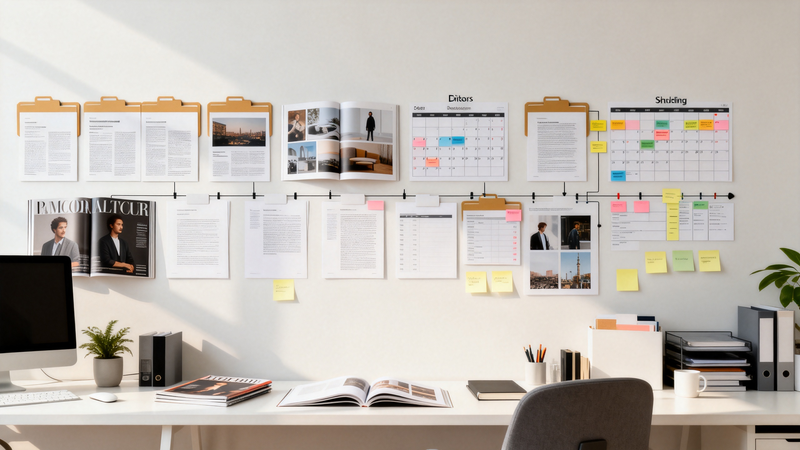
If you want to create content consistently, the first step is defining what you want to achieve. Whether your goal is to build authority, educate your audience, increase organic traffic, or generate leads, having a clear purpose will help guide every content decision you make.
Once you've established your objective, identify exactly who you're creating content for. Understanding your audience's interests, challenges, and search intent makes it much easier to produce content that answers their questions and provides genuine value. When your content consistently solves real problems, it naturally becomes more effective over time.
Next, define the niches and content themes you want to focus on. Establishing a few core content pillars prevents your publishing schedule from becoming scattered and makes it easier to generate new ideas without constantly starting from scratch.
Just as importantly, think beyond written content. Every blog post, tutorial, or guide should have a visual strategy as well. Featured images, product photos, screenshots, infographics, and comparison graphics all help reinforce your message and make complex information easier to understand. Planning these visual assets from the beginning creates a more consistent brand experience across your website, social media, and marketing channels.
A clear strategy for both written and visual content gives your team a stronger foundation for creating content that is not only consistent, but also more engaging and memorable.
Plan a Realistic Content Calendar
Once you have established the purpose of your content, the next step is generating a steady flow of ideas. A realistic content calendar helps you stay organized, avoid last-minute publishing, and maintain consistency over time.
Brain Dump
One of the easiest ways to begin is with a brainstorming session. Spend an hour or two writing down every content idea that comes to mind within your chosen niche. These ideas can come from customer questions, support conversations, industry trends, common misconceptions, case studies, or practical frameworks your audience would find useful.
AI assistants can also help expand your idea list by suggesting related topics or alternative angles. While these tools are excellent for brainstorming, it's still important to prioritize ideas that provide genuine value instead of producing generic content simply to fill a publishing schedule.
Create Content Pillars
After collecting enough ideas, organize them into several content pillars. These broad themes make it easier to maintain a balanced publishing schedule and ensure you're consistently covering the topics that matter most to your audience.
For example, an AI image editing website might organize its content into categories such as image enhancement, photo restoration, background removal, image formats, AI design workflows, and creator tutorials. Working within clear pillars also makes it easier to identify content gaps and generate future ideas.
Choose a Realistic Publishing Frequency
Finding the right publishing frequency takes experimentation. Some creators publish multiple times a week, while others focus on one high-quality article every week or two. Whatever schedule you choose, consistency matters far more than volume.
It's better to publish one valuable article every week than attempt daily publishing and struggle to maintain quality.
Choose the Right Planning Tool
Your content calendar doesn't have to be complicated. Google Sheets, Microsoft Excel, Notion, Airtable, and Trello can all help organize your publishing workflow. The best tool is simply the one your team will actually use consistently.
Include practical fields such as publish date, content pillar, platform, content format, status, author, and publication priority. Keeping your workflow simple makes it easier to update and maintain over time.
Plan Your Visual Content Too
A publishing calendar shouldn't only schedule articles. It should also include the visual assets needed for each piece of content, such as featured images, screenshots, infographics, product photos, comparison graphics, or social media visuals.
Planning visuals alongside your written content helps avoid last-minute design work and ensures every article is published with consistent, high-quality imagery. It also gives designers and content creators enough time to prepare, review, and optimize visual assets before publication.
Finally, avoid planning too far into the future. Industry trends, product updates, and audience interests change quickly. Building flexibility into your calendar allows you to respond to new opportunities while keeping both your written and visual content consistent.
Batch Create Content

This is a no-brainer, as being consistent means that you have content ready for scheduled publishing way ahead of the actual date. To make sure that works, you must batch create the content.
This can look like focused sessions where you are creating multiple pieces of content per day, a few weeks ahead of the publishing date. The best way to maintain a constant flow of content for creating batches is to add automation to the work process.
We won’t recommend using AI for generating whole articles, since the output tends to be generic, repetitive, and shallow. However, using it to create outlines or first drafts can help speed up the process.
Once the outline is created, try using an AI detector to find parts of the output that sound particularly robotic and unnatural. You can either omit them or edit them to make them more humanized.
If you don’t have a team to create your batch of content, after generating the first draft, you need to enrich the content by adding things like verified data, lived experience, quotes, and whatever else that adds more value to the output.
Repurpose Material
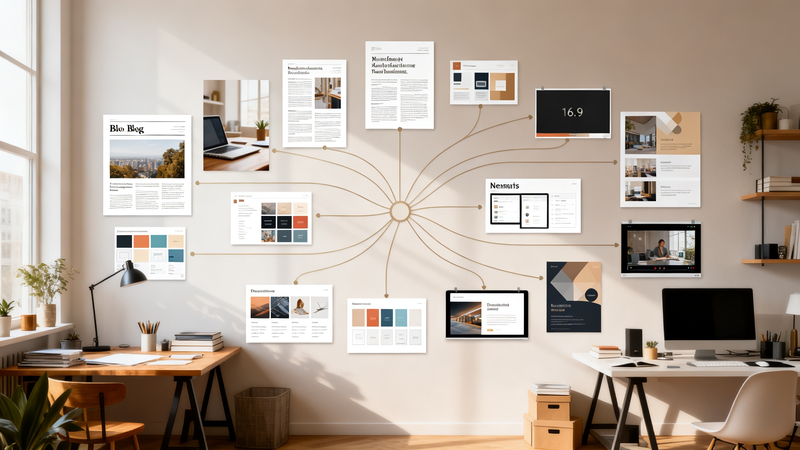
Repurposing your content can be a crucial way to get more out of a strong piece of content. You can transform it into multiple assets by recreating it in another format, made for another platform, or for a different audience segment.
If you have to put the same content in various channels, you can use AI to create different versions, which you can then edit and make more aligned with your brand identity. Running each version through an AI checker first can flag anything that still reads as generic before it goes live. This is a great way to maximize reach and ROI from the same source materials used to create one asset.
This not only helps save time, energy, and cost, but it helps you reach audiences who prefer other formats, reinforces the message, and improves overall content volume and consistency.
You can use the three "Rs": repurpose, reuse, and repost, but do so with a pillar asset that is worth investing in. For example, a blog post can be turned into a social media post, a carousel, an email newsletter, or even a short video using an AI video generator.
The same principle applies to visual content. Instead of creating new graphics for every campaign, repurpose your existing visual assets whenever possible. A single high-quality image can be adapted into a blog banner, social media post, email header, presentation slide, or marketplace listing. Updating, resizing, or enhancing existing visuals is often faster than designing new ones from scratch, while helping maintain a consistent visual identity across every platform.
When both your written content and visual assets are designed with repurposing in mind, you'll spend less time creating from scratch and more time expanding the reach of your best-performing content.
Refresh Content

When you have content pillars and a functional content calendar, once scheduled content has already been published, it pays off to come back and take a look at how each piece of content is performing.
If a specific piece of content is performing poorly, you can invest a bit more time to understand why, and if it needs a bit more quality boost or an information update. For example, there might be some problem with the quality or information, or you may need to add more vibrant visuals.
Refreshing content often pays off, and if that can’t be done, you can redo the topic and create a better version, so that it performs better this time around.
This is why keeping track of past content and refreshing it accordingly can help keep your content calendar effective.
Only Take On As Much As You Can Handle

You think you need a lot of content, so you add as many ideas as you can think up and put them into the calendar. However, when it’s time to deliver, you find it difficult to keep up. Even if you want to increase your content volume, remember that consistency is much more important.
If this means that you can only publish two social media posts or one piece of website content per week, do that. Know your capacity, and build up from there. With time and experience, you will be able to scale too. But when you are just starting, focus more on quality and consistency.
Keep Track With Analytics

Keeping track of performance is vital to consistency. You need to pick a handful of key metrics that match your goal, like shares for engagement, signups for leads, or number of sales.
Use Google Analytics to check top pages, landing pages, and conversion rate. Check social media analytics for top posts by reach and engagement. Try doing weekly scans for these, and keep a note of the top posts.
You can do a deeper dive per month to ensure which topics perform best, which content drives real action, and what to refresh.
Use the insights to make crucial decisions like doing more of what works, refreshing high-traffic content to ensure more conversions, and cutting down on what doesn’t work.
Final Thoughts
These tips can help you stay consistent with your content creation. By using these strategies, you can keep better track of what you made, what works, and how to help your content perform better.
This can help you stay organized and on track, as long as you only take on as much as you can handle. Focus on quality, performance, and consistency, and eventually you will reach your volume and profit goals.